PRESS RELEASE:
Hertfordshire Press Announces the Publication of
Imprisoned Souls: Poems of Uyghur Prisoners in China

PRESS RELEASE
Hertfordshire Press Announces the Publication of Imprisoned Souls: Poems of Uyghur Prisoners in China. A landmark collection preserving the silenced voices of persecuted Uyghur poets.
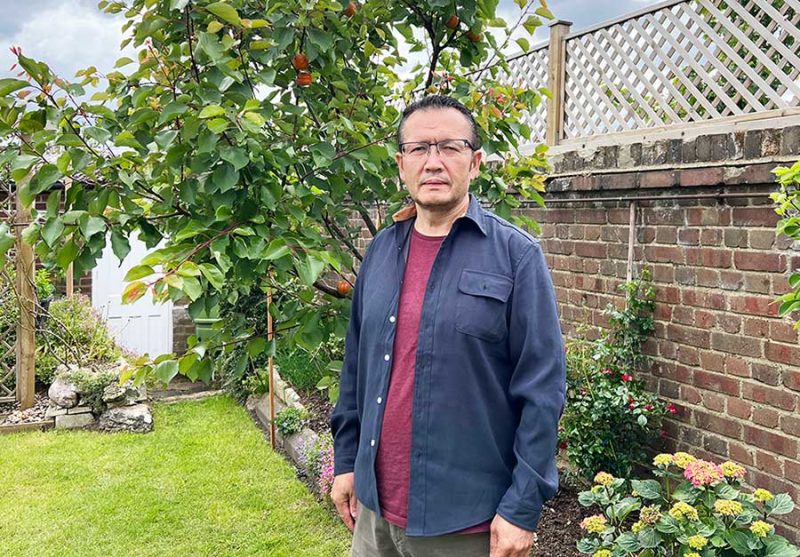
London, UK – Hertfordshire Press (SRM Group), the UK’s leading publisher dedicated to translated literature from the post-Soviet space, proudly announces the release of Imprisoned Souls: Poems of Uyghur Prisoners in China, a powerful new anthology translated and compiled by acclaimed Uyghur poet, scholar, and human rights advocate Aziz Isa Elkun.
At a moment when Uyghur cultural expression faces systematic erasure, this collection brings together the voices of 25 poets who were detained, sentenced, or forcibly disappeared in China. Their works – ranging from lyrical meditations on nature to poignant reflections on identity, longing, and injustice – survive as rare testimonies of courage, humanity, and resistance.
About the Book

For Elkun, Imprisoned Souls is the culmination of over five years of emotionally demanding research and translation – a project driven by urgency, responsibility, and profound personal loss.
Cut off from his family since 2017 and witness to the disappearances of numerous colleagues and friends, Elkun has worked tirelessly to gather these poems from published sources and digital archives, overcoming the information blackout imposed on Uyghur cultural life.
In a deeply moving reflection accompanying the collection, he describes the psychological burden of exile, the grief of severed family ties, and his moral obligation to amplify the voices of the detained poets:
“The simple act of writing poems led to their persecution. Their precious works must not be lost to silence… I had to act, to bring these voices into the light.”
This anthology, he writes, captures “the soul of the Uyghur people” – their sorrow and resilience, their love and longing, and their unbroken hope for dignity, peace, and freedom.
The book is now available to order online:
https://amzn.eu/d/32x4ksy
About the Author

Aziz Isa Elkun is a London-based Uyghur poet, writer, translator, researcher, and prominent cultural advocate. Born in Shayar County in Uyghuristan/East Turkistan, he graduated from Xinjiang University before relocating to the UK in 2001.
His work spans poetry, fiction, documentary filmmaking, and academic research, including contributions to major projects at SOAS, University of London. Elkun is the author of numerous publications in both Uyghur and English, including the landmark Uyghur Poems anthology published by Everyman’s Library (Penguin Random House, 2023). Since April 2025, he has served as President of the Uyghur PEN Centre.
More about his work: www.azizisa.org/en
About Hertfordshire Press