Aziz Isa Elkun’s Reflections On the Publication of the Uyghur Poetry Anthology
Imprisoned Souls: Poems of Uyghur Prisoners in China
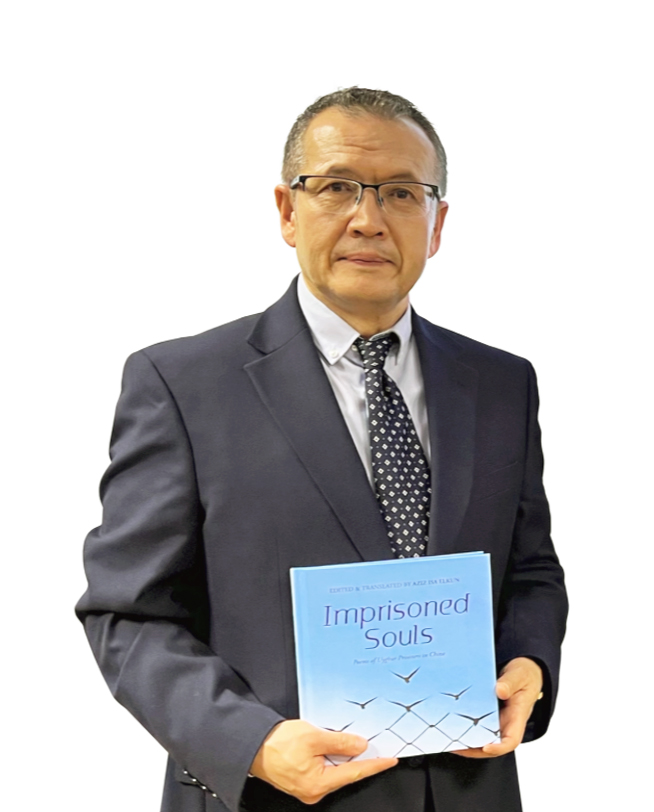
Book Launch Speech by Aziz Isa Elkun
16 December 2025, Yunus Emre Enstitüsü, London
Throughout history, humanity has witnessed profound suffering from oppressive rulers and inhumane wars. The most powerful poetry, like other forms of artistic expression, often emerges from those who have endured unimaginable hardship: exploitation, poverty, invasion or genocide. As a reflection of the Uyghurs’ social and political struggles, their poetry has consistently expressed their desire to live freely in their homeland. Themes of love, survival, and the resolute determination for a better future have always been central to their work.
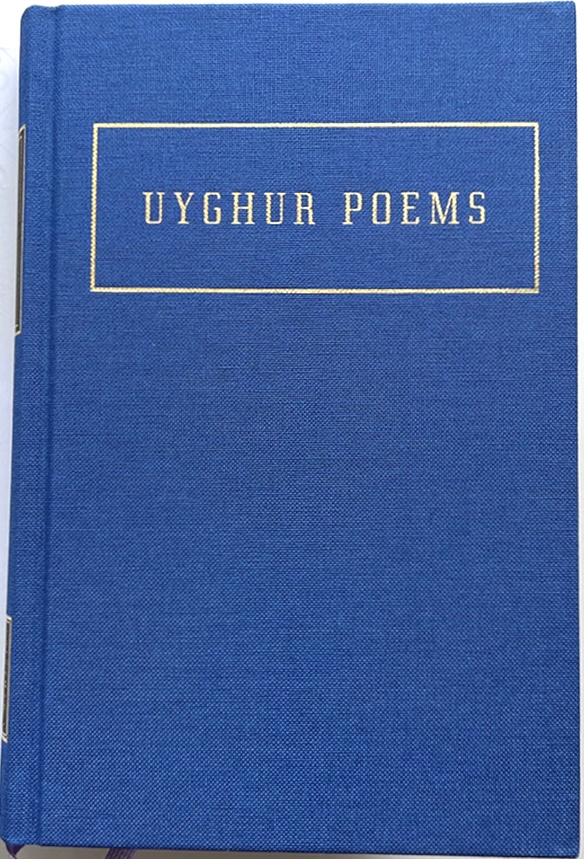
Since completing my first major translation project, the anthology Uyghur Poems, published by the UK’s Everyman’s Library in October 2023, I have become deeply engaged in exploring Uyghur poetry further. My focus has increasingly shifted to the persecuted Uyghur poets.
As I learned more about the ongoing persecution and extrajudicial punishments imposed on Uyghur intellectuals, particularly the mass detention, arrest, and disappearance of Uyghur poets, I became increasingly restless. The weight of these atrocities pressed upon me, and I felt a deep, unwavering need to bring their poetic voices to the wider world. The simple act of writing poems had led to their persecution, and I knew that their precious works must not be lost to silence. It became my mission to translate these poems and preserve the voices of those who are no longer able to speak.

The knowledge that many of my poet friends are languishing in Chinese prisons has haunted me daily. Despite the challenges of obtaining reliable information about the detained and imprisoned Uyghur poets, I began my investigation in 2017. I began the painstaking task of collecting their poems from published books, magazines and online sources, striving to piece together their fragmented stories in the face of the information blackout imposed by the authorities. After more than five years of hard work and emotional strain, I have finally completed this work.
It is in everyone’s best interest for the world to be a place of peace, where all people – regardless of their race, faith, colour or culture – can live in harmony and dignity. For this vision to become a reality, the imprisoned Uyghur poets – and thousands like them across the world today – must be freed. They do not deserve to endure torture and suffering in Chinese prisons simply for expressing themselves through their poetry.
This book is an effort to capture the soul of the Uyghur people and to speak directly to the English – speaking world. It conveys their joy and sorrow, their journey and their unwavering struggle for survival. Through this work, I stand in solidarity with those who have been silenced, yet whose voices continue to echo through the pages of poetry.
The Uyghur people has endured the darkest times and will continue to rise above oppression. As long as they dream of a free homeland, the Uyghur spirit will never be extinguished. Their struggle for freedom will persist until they live freely in their own land, in dignity and peace. This book is not solely filled with sadness; it also carries love, hope and optimism for the future. The poems within reflect the resilience and beauty of the Uyghur language, and I hope you find joy and inspiration in them.